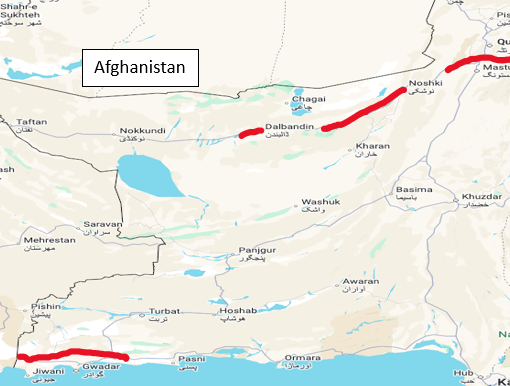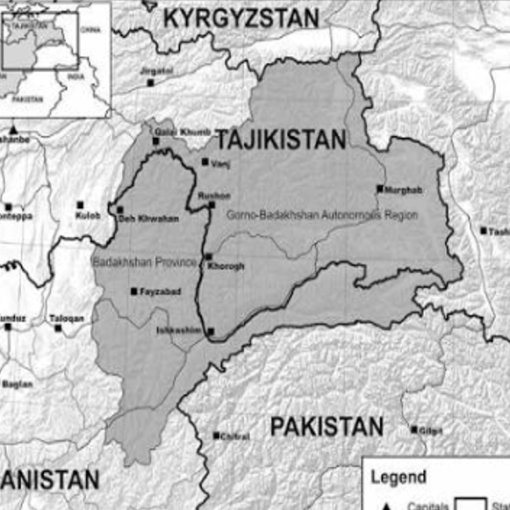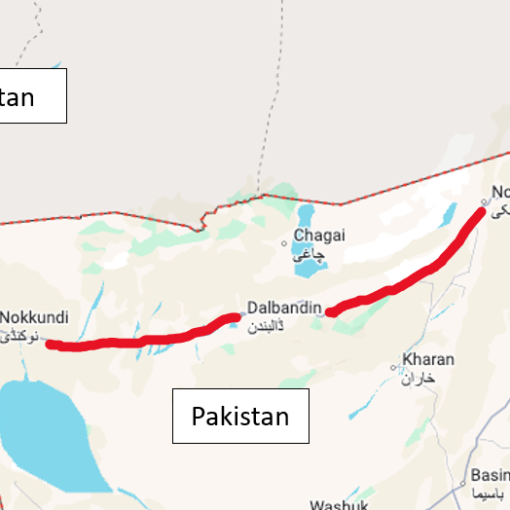

We have previously assessed that militant activity and flows are gaining momentum in the north of the Afghanistan–Pakistan region—an area of strategic importance for Chinese interests along its borders. In Badakhshan, the Afghan Taliban maintain that the situation remains calm and fully under control. However, reports indicate a low-intensity insurgency, with recent incidents including the brief seizure of a district headquarters by a newly announced anti-Taliban group and ongoing clashes claimed by resistance forces. While the Taliban have responded swiftly in individual cases, such measures appear to offer only short-term relief. Badakhshan’s complex geography and rugged terrain make sustained control particularly challenging.
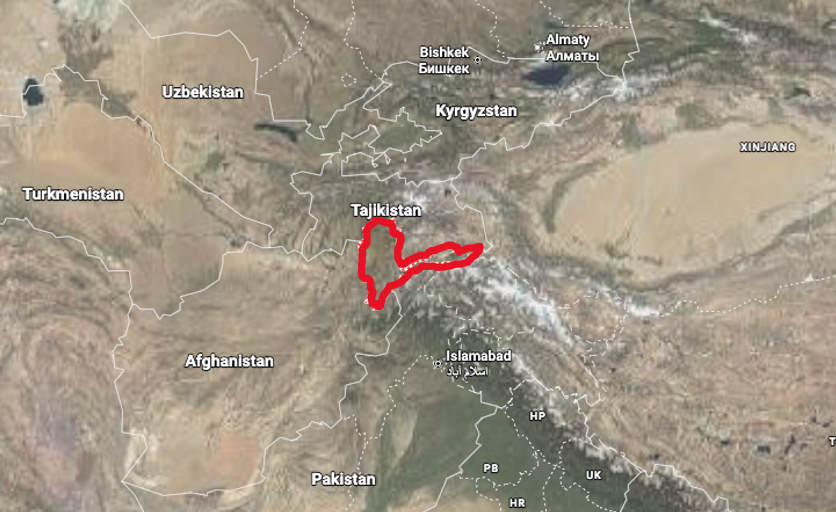
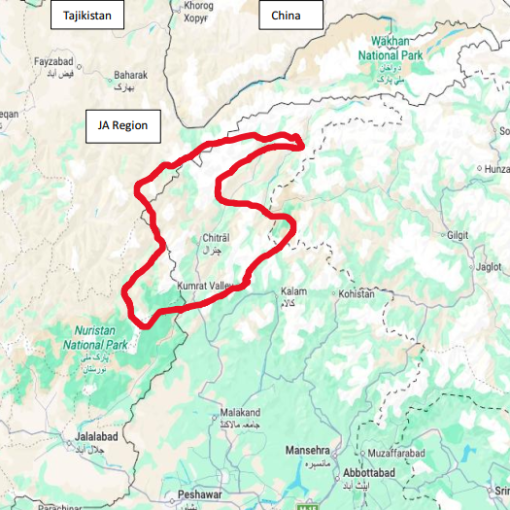
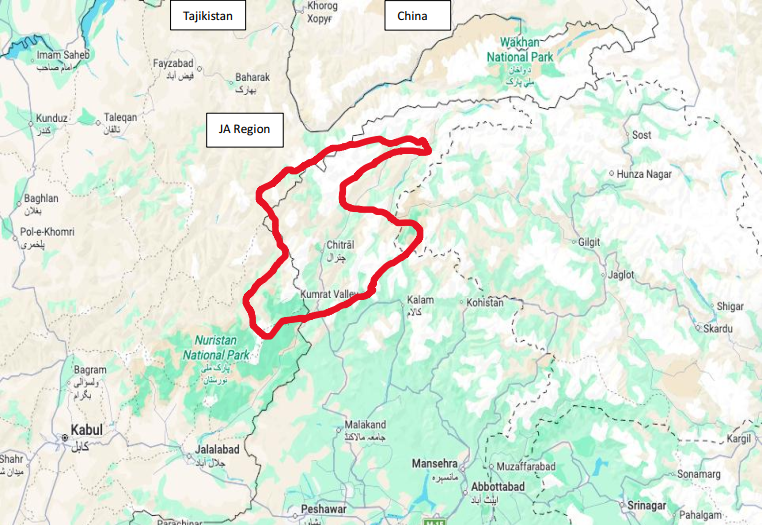
Google Map: Badakhshan, encircled in red.
Why is Badakhshan difficult for the Afghan Taliban to manage?
Badakhshan is a predominantly Tajik region with a history of ethnic tensions with Afghanistan’s Pashtun communities. The Taliban are overwhelmingly Pashtun-led, and the absence of a genuinely inclusive government in Kabul has intensified feelings of marginalisation among Tajiks and other northern ethnic groups. Residents and even some government officials, including police, have repeatedly protested Kabul’s policies. The province’s remote, mountainous landscape further complicates governance and security operations.
What are the primary drivers of conflict and instability on the ground?
Badakhshan’s economy relies heavily on mining and agriculture. Control of mineral resources—especially gold and gemstones—has long been a flashpoint. Recent internal Taliban disputes over gold-mining revenues and the central leadership’s efforts to reassert control (including the removal or sidelining of powerful local commanders and the deployment of outside forces) have fuelled tensions and local resistance.
A second major grievance is the Taliban’s strict ban on opium-poppy cultivation. Enforcement campaigns, often involving non-local fighters, have repeatedly triggered protests, clashes, and violence, particularly during eradication drives. For many farming households, poppy remains a critical cash crop in the absence of viable alternatives. United Nations and independent reporting has identified Badakhshan as a leading centre of opium production in recent years, a new drug capital of Afghanistan, following the decline of traditional southern hubs such as Helmand. These economic pressures, combined with ethnic and resource disputes, create a persistent source of friction.
Who is exploiting these issues?
Armed opposition groups, drug-trafficking networks, and residual militant organisations exploit local grievances. The National Resistance Front (NRF) and the Afghanistan Freedom Front (AFF) have claimed operations in Badakhshan, while a newly emerged group (Homeland Soldiers Front / Sepahian-e Mihan) briefly seized a district centre in mid-2026—the first such temporary loss of administrative control reported since the Taliban’s 2021 return to power.
In addition, Badakhshan, Nuristan, and Kunar share Salafi-leaning populations and mountainous terrain that have historically provided a foothold for Islamic State Khorasan Province (ISKP). ISKP has sought to recruit among disaffected local Tajiks and Uzbeks, including former Taliban members alienated by centralisation efforts and the displacement of northern fighters. The group views the Taliban as a primary enemy and has previously conducted attacks in the province; analysts note that ongoing local grievances could expand its recruitment pool.
Our Assessments: Is wider chaos imminent?
The conflict remains at a manageable level for now, yet the coming months carry heightened risks. Opium harvesting typically occurs around July in Badakhshan, while planting begins in November; the latter half of the year has historically been tense. Existing ethnic fault lines between local Tajiks and the Pashtun-dominated Taliban leadership mean that any significant incident could act as a catalyst. Current low-level skirmishes already elevate the risk of escalation. ISKP is assessed to be conducting recruitment in these areas and may attempt to capitalise on unrest—either through direct attacks on Taliban targets or by supporting local resistance under the logic that “the enemy of my enemy is my friend.” Another reason is the weather and Badakhshan’s natural environment. It has glaciers, and in the last months of the year, with lots of snow over the mountains (known as the Roof of the World- the Pamir), it would be difficult for the Afghan Taliban to carry out successful operations.
Why does this matter for China?
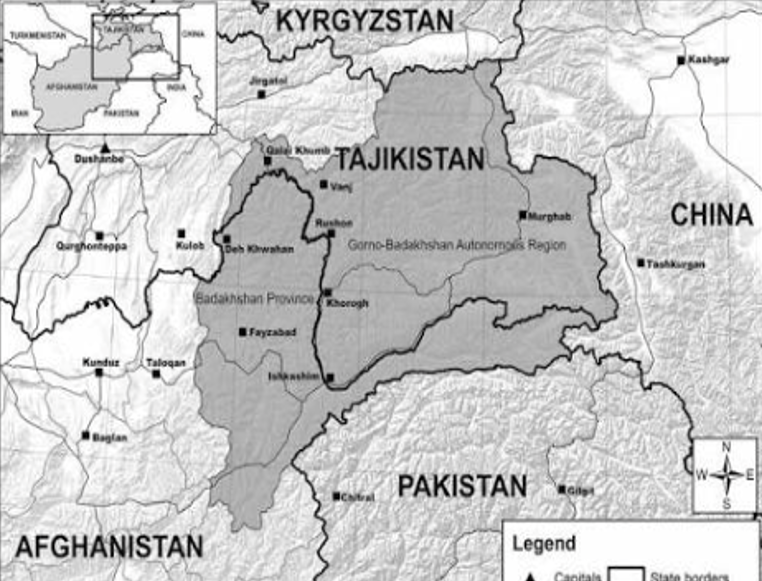
Badakhshan borders China via the narrow Wakhan Corridor. China maintains mining interests in the province and adjacent areas of Tajikistan’s Gorno-Badakhshan. Security concerns have already led Beijing to limit or carefully manage its physical presence. ISKP has explicitly designated China as a target, and reports of East Turkestan Islamic Movement (ETIM/TIP) fighters returning from Syria, combined with militant movements along the northern Pakistan–Afghanistan border, heighten risks. Recent attacks on Chinese mining personnel and related facilities in the broader border region underscore these vulnerabilities.
Any sustained instability would directly affect the China–Pakistan Economic Corridor (CPEC) and, more broadly, the Belt and Road Initiative. China has therefore pressed the Taliban for tighter counter-terrorism cooperation, including joint border measures in the Wakhan Corridor, while prioritising the prevention of cross-border militant threats to Xinjiang.
In summary, Badakhshan’s combination of ethnic grievances, competition over mines, the economic impact of the poppy ban, active resistance groups, and residual ISKP presence creates a durable challenge to Taliban authority. While the situation has not yet tipped into widespread chaos, the trajectory of events in 2025–2026 indicates rising pressure that could have significant regional security implications, particularly for China and neighbouring Central Asian states.