
The Baloch Liberation Army (BLA) has claimed responsibility for a suicide attack in Balochistan province, Pakistan. Balochistan forms the strategic backbone of the China-Pakistan Economic Corridor (CPEC), a flagship project under China’s Belt and Road Initiative. In our previous Monitoring and Evaluation (M&E) assessment, we flagged growing concerns over the deteriorating security situation in the region.
[Reference: https://obor.chuhai.edu.hk/nsbrri-monitoring-and-evaluation-june-2026/]
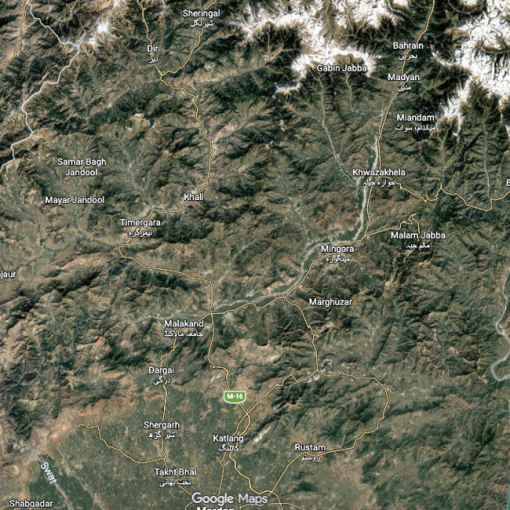
The militants attacked in the Ziarat region of Balochistan. The militants killed at least nine policemen. This is the biggest attack in recent days with such casualties. Ziarat is just 170 kilometer far from Mastung that we mentioned in our report. There was another attack in Balochistan. The attack took place in the Jiwani area along the main Gwadar highway. It resulted in the deaths of security personnel; official sources confirmed three fatalities. However, it may be more, as locals fear.
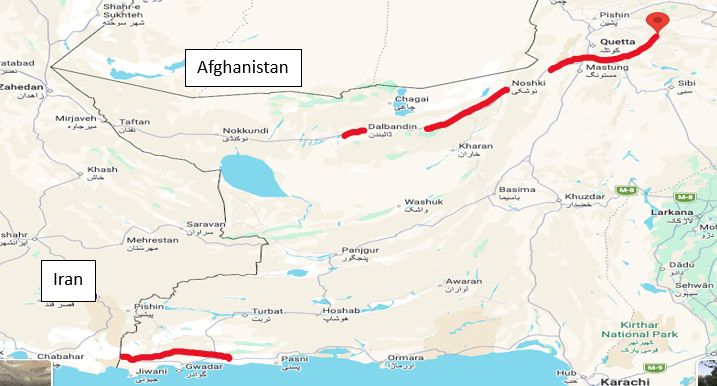
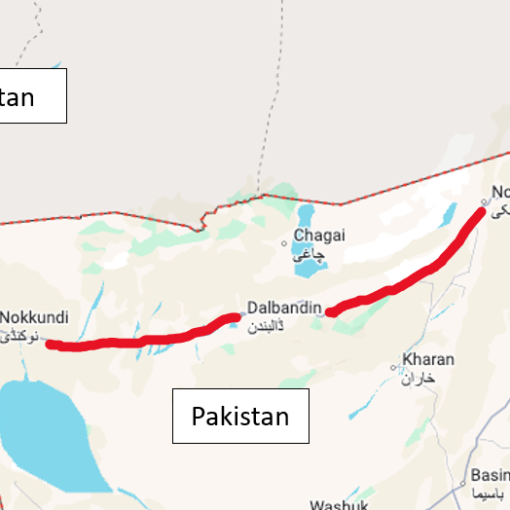
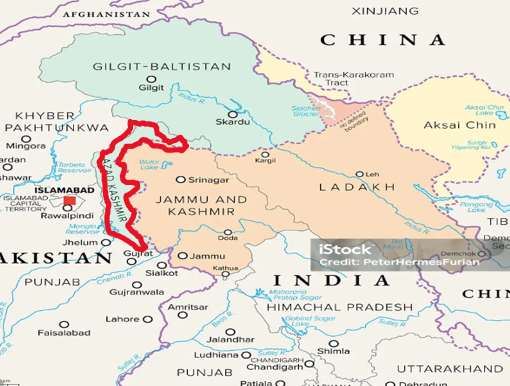
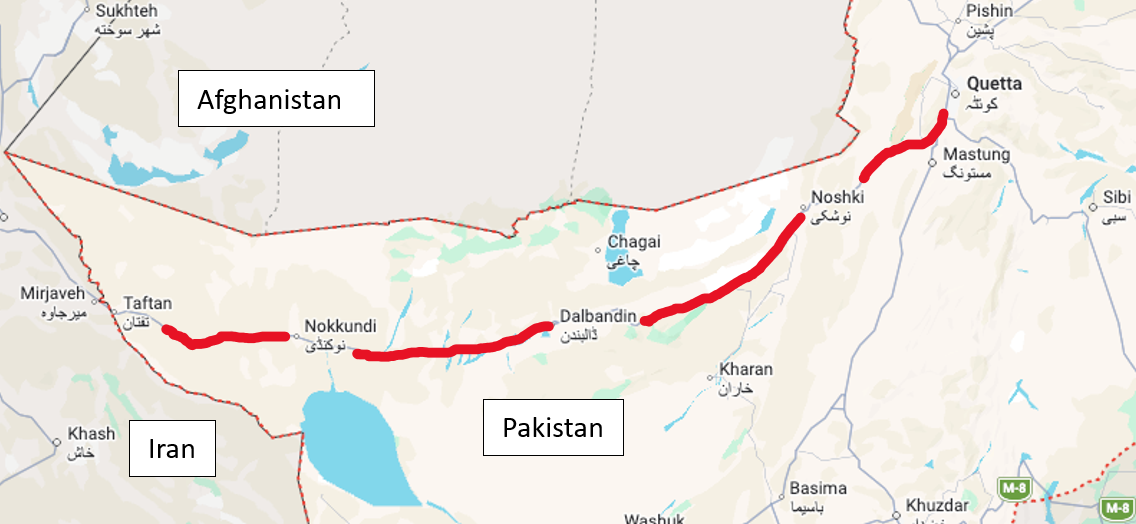
The location that has popped up as pinned is Ziarat, while the red lines show the terror track. Below in red line is Jiwani close to Gwadar.
Why It Matters?
Recent weeks have witnessed a notable surge in militant incidents across Balochistan. The suicide strike on a security outpost—manned partly by officials focused on counter-smuggling operations—constitutes a deliberate message to Pakistani security forces. Baloch separatist groups derive significant funding from cross-border smuggling networks between Iran and Pakistan. The location of the attack near the Iran-Pakistan coastal border highlights the militants’ intent to destabilise key frontier zones critical to regional trade and security.
Separatist Objectives
The primary aim of such operations is to project an image of widespread instability to both domestic and international audiences. By deploying a range of asymmetric tactics—ambushes, IED attacks, road blockades, bridge demolitions, and strikes on security installations—the BLA seeks to stretch Pakistani counter-insurgency capabilities, erode state control, and deter economic development in the province.
Message to China
China is a major development partner in Balochistan, with heavy investments in Gwadar Port and associated CPEC infrastructure. The Gwadar Highway represents a vital artery of the corridor. This attack sends a clear signal to Beijing: the region remains insecure for large-scale investments and personnel. It may prompt Chinese stakeholders to reassess risk mitigation measures and the long-term viability of projects in the area.
What Is Next?
Ground monitoring and analyst assessments suggest that Baloch separatists are preparing for more high-profile, devastating attacks aimed at securing global media coverage and drawing attention from international actors. The current wave of violence is expected to intensify through August. This escalation aligns with symbolically significant dates in Baloch nationalist narratives: August 11 (often celebrated as an independence day) and August 14 (viewed as a “black day” commemorating Pakistan’s independence, which separatists regard as the beginning of oppression).
Overall Assessment:
The splintering and tactical evolution of Baloch militant groups pose a sustained threat to CPEC projects and Chinese interests. Enhanced intelligence sharing, targeted security operations, and community engagement will be critical to mitigating risks in the coming months.