
Executive Summary
Since early July 2026, Balochistan has witnessed a sharp escalation in terrorist violence, resulting in over 50 fatalities, including police and military personnel. This surge validates the NSBRRI Monitoring & Evaluation team’s prescient assessment issued on 2 July 2026, which accurately forecasted a major intensification of attacks based on observed militant preparations and patterns from June. We clearly mentioned the upcoming threats and the reasons to it.
“It indicates their strategic preparation for a major attack so that the forces would take time and more resources to have a backup to counter the attack and the terrorists inflict maximum damage. In June, convoys of supplies to security forces often came under attack. Therefore, we foresee a severe increase in attacks in July in the Balochistan region.”
Here is the link to our assessment.
https://obor.chuhai.edu.hk/nsbrri-monitoring-and-evaluation-june-2026/
NSBRRI’s early warning highlighted the militants’ strategy of conducting preparatory strikes to stretch security resources, delay reinforcements, and maximise impact — a scenario that has now unfolded with tragic precision. In a week, more than 50 were killed in Balochistan.
Recent Attacks (4–8 July 2026)
- Jiwani Attack (4 July): Three security officials killed.
- Ziarat Attack (7 July): 27 policemen killed in a prolonged assault.
- Bela Attack (8 July): 11 Pakistan Army personnel killed.
- Khuzdar Attack (8 July): 11 guards of a pro-government leader killed.
- Masung Attack: Two members of the Christian minority community killed (claimed by ISKP).
- Additional strikes reported in Quetta and other areas, bringing the total death toll above 50.
Ground Verification by NSBRRI M&E Team
NSBRRI field sources confirmed that the Ziarat attack turned into a major disaster primarily due to the absence of timely backup support. Residents reported that police personnel fought for over 12 hours without effective reinforcement. Media coverage echoed widespread complaints regarding delayed response and inadequate support.

Screenshot from a social media account mentioning a lack of backup support for policemen
Security officials on the ground cited heavy planting of Improvised Explosive Devices (IEDs) on access routes, which complicated rapid reinforcement and raised risks of friendly fire in close-quarters combat. These observations align exactly with NSBRRI’s 2 July assessment.
https://www.dawn.com/news/2013827
Key Trends and Patterns
The recent wave of attacks is strategically significant for several reasons:
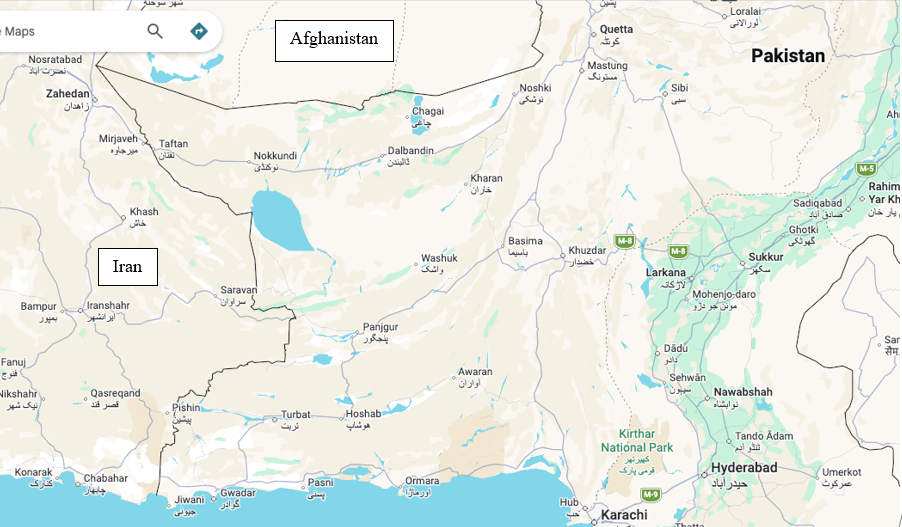
• Geographic Spread: Strikes occurred across nearly all corners of Balochistan — from Jiwani in the southwest to Ziarat in the northeast, and from Bela to Khuzdar.
• Ethnic Inclusivity: Attacks targeted both Baloch and Pashtun-dominated areas, signalling a broader destabilisation agenda beyond traditional separatist narratives.
• Coordinated Multi-Actor Involvement: Pakistani Taliban, Baloch separatist groups, and ISKP (Daesh) were all active simultaneously — a rare convergence that suggests possible tactical coordination or opportunistic convergence.
• Psychological Messaging: The pattern projects an image of province-wide instability and potential “civil war” dynamics within Balochistan.
NSBRRI Key Findings
• The provincial security apparatus demonstrated critical shortcomings in preparedness, rapid response, equipment, training, and inter-agency coordination.
• Terror networks successfully executed multiple high-impact operations despite official claims to the contrary.
• The prolonged nature of engagements (e.g., 12+ hours in Ziarat) and the high casualty rate among security forces indicate significant tactical and logistical gaps.
Strategic Implications
The success of these attacks is likely to embolden militants to pursue more ambitious and sustained operations. The visible gap between state forces and the civilian population — exacerbated by delayed responses and heavy losses — risks eroding public trust and creating fertile ground for further radicalisation.
NSBRRI Recommendation
Immediate focus is required on strengthening rapid-response capabilities, clearing IED networks, enhancing police training and equipment, and improving civil-military coordination to restore deterrence and public confidence.