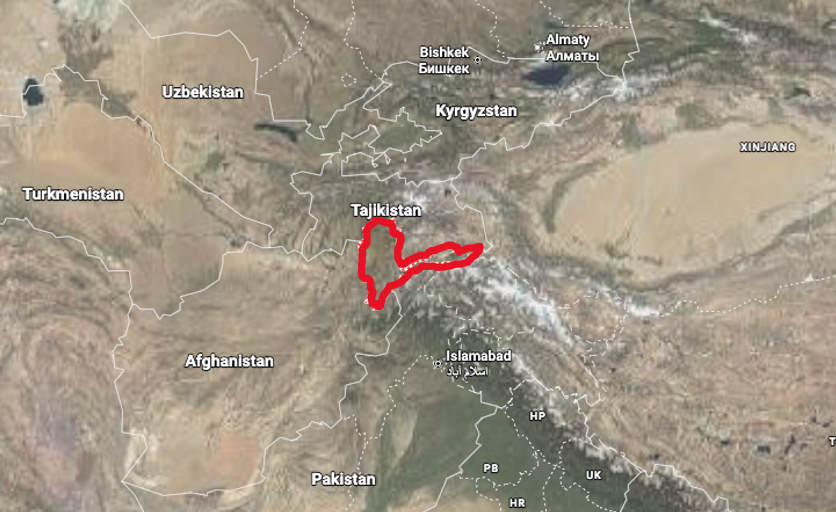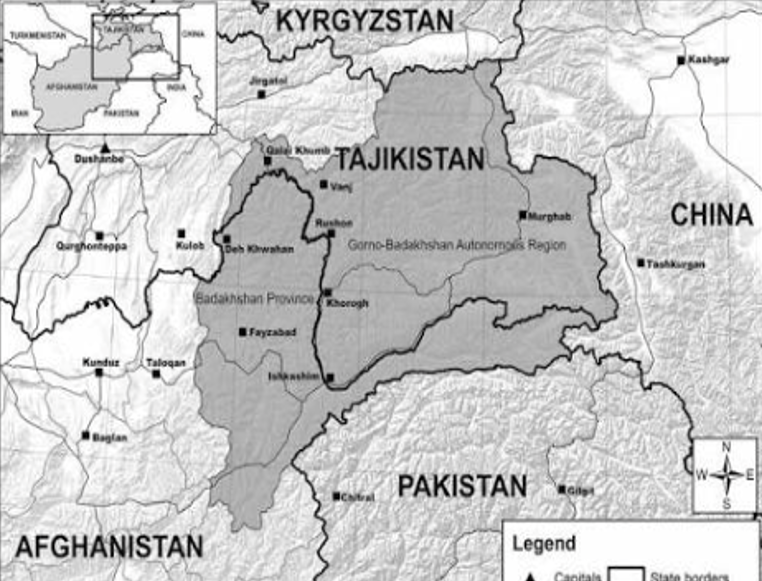

A terror outfit, Jamaatul Ahrar, has announced its separation from the Tehrik-e-Taliban Pakistan (TTP). The JA spokesperson, Asad Mansoor, formally announced this development on his digital accounts.
Why did it separate?
Abdul Wali, alias Omar Khalid Khorasani, founded Jamaatul Ahrar after his differences with the Tehrik-e-Taliban Pakistan in 2014. The Pakistani terror outfit TTP was established in 2007, and Omar Khalid Khorasani joined it as commander of the tribal district of Mohmand. In August 2020, Omar Khalid Khorasani rejoined the TTP, just a year before the Afghan Taliban took over Kabul, the capital of Afghanistan. However, a year later—after the Afghan Taliban came to power—Omar Khalid Khorasani was mysteriously killed. His comrades blamed the assassination on internal elements within the TTP. For years, they had harboured grievances. They carried out multiple terror attacks independently. Now, they have formally announced their separation from the TTP.
Why does it matter?
In terms of lethal attacks, the TTP now lags behind the Hafiz Gul Bahadar-led Ittehad-eMujahideen. Recently, JA has carried out more lethal strikes than the TTP. We assess that there is a high probability of Jamaatul Ahrar coordinating with the Baloch Liberation Army (BLA) and Ittehad-e-Mujahideen. It also indicates that Jamaatul Ahrar has secured new funding or a new source of funding. If they are leaving the TTP and ceasing to depend on its sources and funding, it is clear that they have obtained support from elsewhere and that the TTP would weaken.
Why is this concerning for China and Pakistan?
In 2014, for the first time, Jamaatul Ahrar, which was then part of TTP, issued threatening messages to China. In Nov, 2014, JA issued a magazine which stated, “Tehreek-i-Taliban
Pakistan Jamaat-ul Ahrar (TTPJA) released the 9th issue of its official magazine Ihya-iKhilafat that carried an article by Ehsanullah Ehsan, a key commander and official spokesperson, under the title of “Hidden motives behind the Chinese investment in Pakistan”.
Read original article here:
https://www.nation.com.pk/17-Nov-2014/taliban-group-threatens-to-attack-chinese-interests
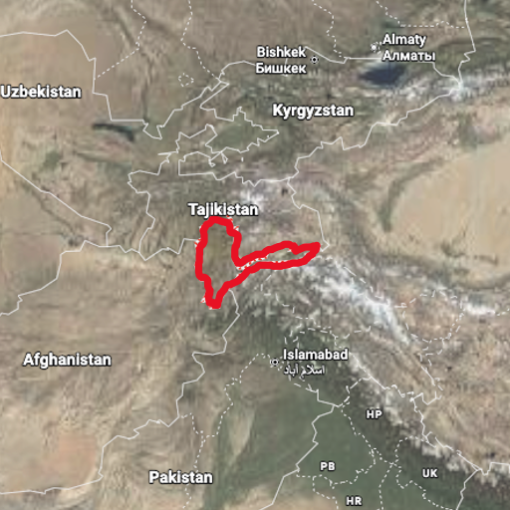
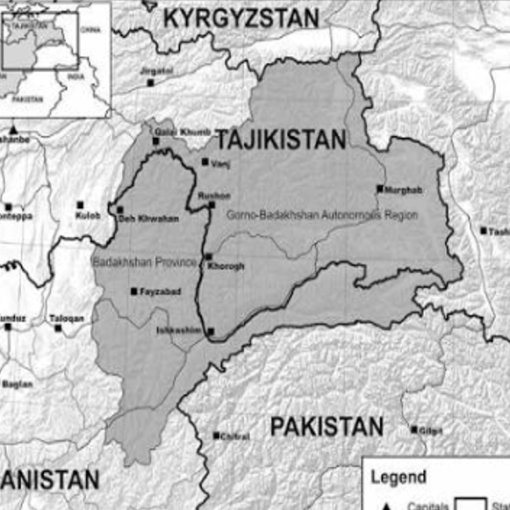
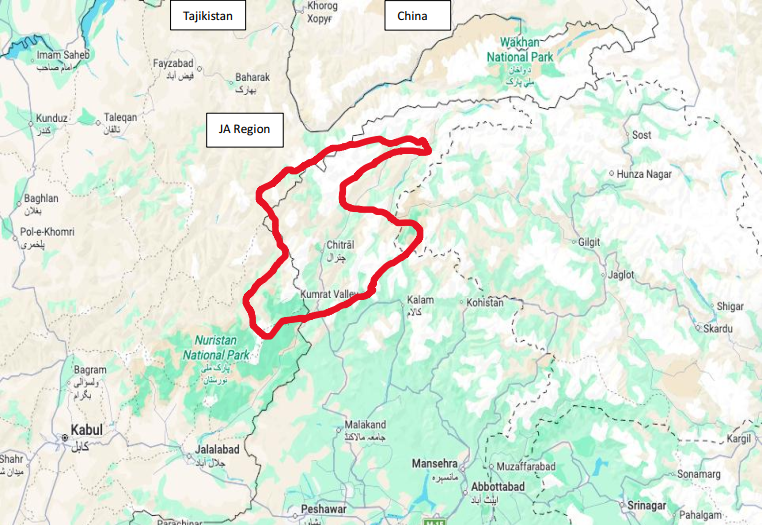
JA is active in the northern regions, including Malakand. The Malakand region includes Bajaur, Dir, Swat, Shangla, Chitral, and Kohistan. These are areas where Chinese nationals have been abducted and even killed. It is worth mentioning that many Jamaatul Ahrar fighters have joined the Islamic State in Khorasan Province (ISKP). It is no longer a secret that ISKP has carried out direct strikes on Chinese targets recently and openly targets Chinese interests in its propaganda material. Badakhshan, Kunar, Nuristan, and Takhar in northern Afghanistan are regions where ISKP has a historic presence. With Jamaatul Ahrar active in the northern regions of Pakistan, ISKP will have greater opportunities to outsource attacks in this area.
What is next?
We assess that this group will intensify its attacks in the coming days. We believe that the TTP will be weakened after this breakaway, and these splinter groups will gain momentum.
In the near future, different alliances are expected among these splinter groups. Besides, there will be competition among these groups to carry out more strikes to establish their power and demonstrate their strength.
Our Assessment:
We assess that in future, like the Southern districts of the Khyber Pakhtunkhwa province, the security situation in the North of the region, that connects China through Karakoram Highway (KKH), will become a major challenge. The region has important projects like Rashakai Special Economic Zone, Dassu Dam, and Munda Dam. Therefore, chaos in this region will have an impact on the Chinese development projects. In the past Dassu Dam engineers were also targeted on March 26, 2024. So, we see that this region is going to be another flashpoint for the upcoming conflicts.