
The NSBRRI monitoring team has noticed that recently there have been reports of back-channel communication between the two nuclear-armed neighbouring countries, Pakistan and India. Recent reports on back-channel (or Track 2/Track 1.5) diplomacy between India and Pakistan focus on unofficial, low-profile engagements following heightened tensions and the 2025 conflict known as Operation Sindoor (triggered by the Pahalgam terror attack).
Key Developments (as of mid-2026)
Unofficial meetings (Track 2/1.5): Multiple reports indicate several informal dialogues involving retired military officers, former diplomats, academics, and some figures close to political establishments (but not serving officials on the Indian side). Locations mentioned include Qatar (Doha, February 2026), Colombo (Sri Lanka, June 2026 on the sidelines of a security conference), Bangkok, and possibly others.
Topics discussed reportedly included:
- Crisis management and de-escalation mechanisms.
- Terrorism.
- Indus Waters Treaty issues.
- Ways to prevent future military escalation.
These are described as private initiatives rather than official government-backed backchannels. Indian officials (e.g., Foreign Secretary Vikram Misri) have downplayed them as “private events organised by private parties” with no official cognisance or role from the Government of India.
Open Letter by Prominent Citizens (July 2026):
Over 100–117 Indian and Pakistani figures (including former J&K CMs Farooq Abdullah and Mehbooba Mufti, ex-RAW chief A.S. Dulat, Mani Shankar Aiyar, former Pakistani FM Khurshid Mahmud Kasuri, and others) signed an appeal to PM Narendra Modi and PM Shehbaz Sharif. It calls for restoring diplomatic ties, resuming dialogue, reopening trade/routes (e.g., Attari-Wagah, buses, trains), and addressing Kashmir via past frameworks like the Manmohan-Musharraf process, while considering security concerns.
This has sparked debate and some backlash in India, with critics arguing dialogue should not precede verifiable action against cross-border terrorism.
Context and Official Stance:
Formal diplomatic ties remain frozen since Operation Sindoor. Only the DGMO hotline is active for military de-escalation.
India maintains a firm position: No normalisation without Pakistan ending support for terrorism. Reports of backchannels are sometimes viewed in Indian media as Pakistani efforts to project engagement or create a narrative.
There have been earlier backchannel precedents (e.g., pre-2019 NSA-level talks), but current efforts appear limited to non-official tracks amid geopolitical factors (e.g., U.S. influence, regional stability concerns).
Why it Matters?
India and Pakistan are two nuclear-armed countries that have a history of hostility, even both fought full fledged major wars since 1948. Recently, both countries entered into a war due to a terror incident in the Indian occupied Kashmir. There were reports from the Pakistani side that India may go for a false flag operation inside India and another war erupts. Another reason was India’s repetitive stance that “Operation Sindoor” against Pakistan is still underway. Pakistan leader and former Foreign Minister Bilawal Bhutto Zardari threatened nuclear deterrence over the Indian move over the Indus River. During the war, India announced the suspension of the Indus Water Treaty between the two countries, and Pakistan considered it an act of war.
What is China’s Involvement in the Pak-India Conflict?
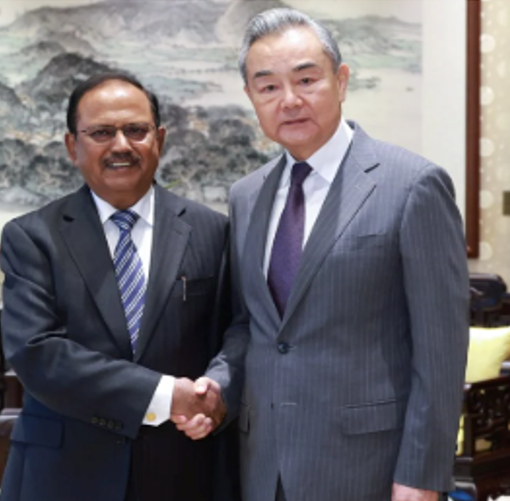
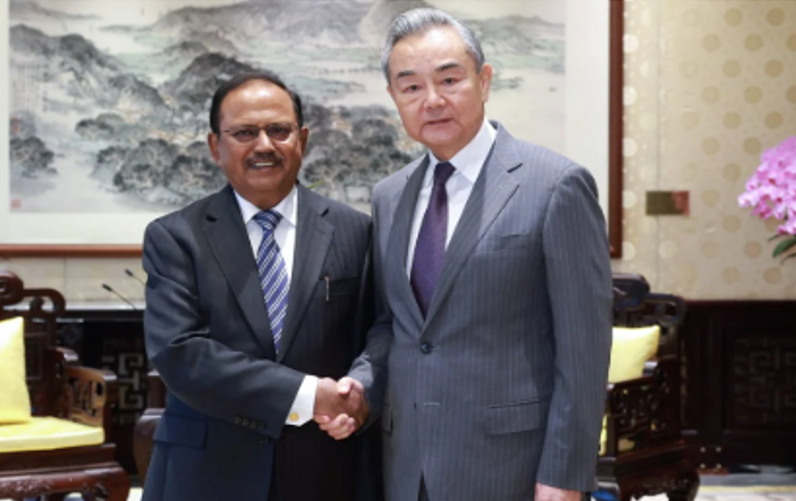
During the Pak-India war, China diplomatically supported Pakistan due to Indian aggression. China also expressed concerns over the Indian violation of the Indus Water Treaty. Being a neighbour of Pakistan and India, China’s efforts are to keep stability in the region. Therefore, analysts from India and Pakistan believe that the backchannel diplomacy between the two countries is also backed by China.
What is Next?
If the backchannel diplomacy worked, there is a high probability of an official opening meeting between the two countries, particularly on the Indus Water Treaty and the opening up of the airspace for India by Pakistan.