
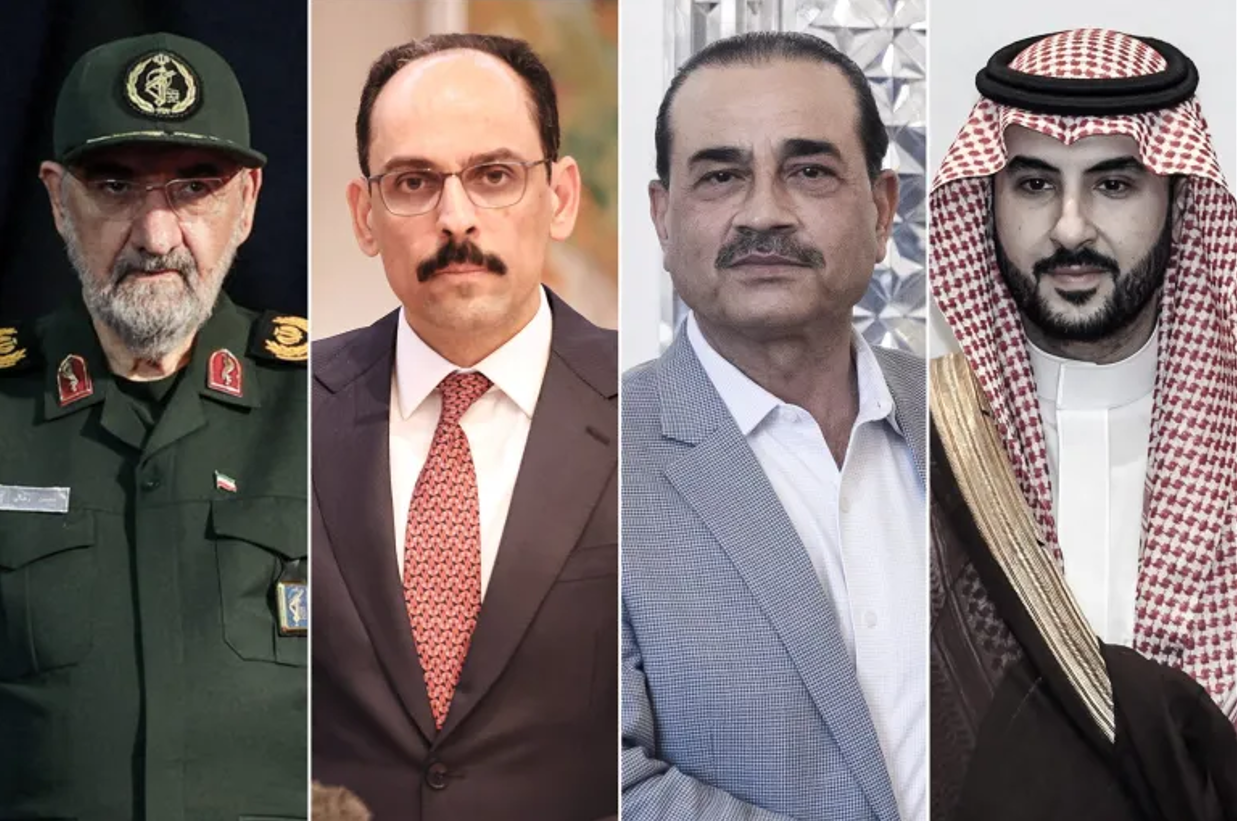
Saudi Deputy Foreign Minister Raed Qarmali announced on Monday that Defense Minister Khalid bin Salman will head the Kingdom’s delegation to the meeting, which is scheduled to take place in Tehran today.
This came in a statement on the X platform, in which Qarmali confirmed the participation of Pakistani Army Chief Asim Munir and Turkish Intelligence Chief Ibrahim Kalin, leading their respective countries’ delegations. He added that representatives of the Mecca Joint Defense Agreement countries will meet with Iranian President Masoud Pezeshkian and Secretary of the Supreme National Security Council Mohsen Rezaei.
Qaramli stated that the visit comes “within the framework of the ongoing efforts of the Mecca Joint Defense Agreement countries to reduce tensions between the parties to the current crisis, encourage dialogue and diplomatic solutions, and support the mediation efforts undertaken by the State of Qatar and the Islamic Republic of Pakistan.” He continued that the meeting aims to reaffirm the pivotal role of the Mecca Agreement countries in establishing security and stability in the region and to work with all countries in the region to achieve this. Ali Bagheri Kani, Deputy Secretary of Iran’s Supreme National Security Council, announced on Monday an upcoming meeting in Tehran that will include the Saudi Defense Minister, the Pakistani Army Chief, and the Turkish Intelligence Chief.
Bagheri Kani stated that Munir had informed the Secretary of the Supreme National Security Council of the decision by officials from Pakistan, Saudi Arabia, and Turkey to travel to Tehran for a joint meeting.
According to the Iranian official, the meeting is an Iranian initiative aimed at taking an “effective step” toward building internal regional security that will lead to a more stable and peaceful region. He added, “Our strategy is to ensure regional security and confront any foreign interference or influence.”
The security officials are expected to meet with Rezaei to discuss developments in the regional security situation of mutual interest.
These statements follow a visit by a Qatari delegation to Tehran on Sunday, October 25, which was part of ongoing communication between the two countries amid escalating tensions in the region.
The Iranian official described the mediation efforts as positive, but added that these efforts “always run up against the US administration’s reneging on its commitments.” He emphasized that the obstacle to reaching a diplomatic solution is not mediation, but rather “Washington’s rejection of our legitimate demands.”
Iranian Foreign Ministry spokesman Ismail Baghaei also indicated that Tehran continues to exchange messages with the United States through intermediaries, stressing that his country has not abandoned the negotiating table and that the real problem lies in Washington’s insistence on what he called its “unilateral demands.” He added that his country no longer trusts the American side after recent experiences, and affirmed that Iran must be prepared to confront various scenarios in its self-defense.
Israel and the US Prepare to Strike Iran
Meanwhile, The New York Times, citing senior US officials, reported on Thursday that the United States and Israel have drawn up detailed plans to resume military strikes against Iran after the US midterm elections on November 3. The plan involves a potentially short but intense operation, which is being prepared at an accelerated pace.
According to the report, the two militaries have intensified their joint training exercises, including flights over Iraq simulating offensive operations. US Secretary of Defense Pete Higgseth also visited Israel this week and met with Israeli Prime Minister Benjamin Netanyahu to discuss the details of the potential military plans. Targets are expected to include Iranian energy infrastructure, nuclear facilities, and missile and drone depots.
Despite the progress in military preparations, questions remain about whether a new round of strikes will achieve better results than the previous confrontations between February and April, which contributed to rising global energy prices and depleted the US Department of Defense’s stockpile of interceptor missiles.
President Donald Trump’s stance on resuming military action remains unclear. The attacks are not yet decided. According to the report, Trump opposed several plans this year for a return to intensive fighting, including one that US and Israeli forces were preparing to implement this October.
Meanwhile, US diplomats are trying to use the threat of military escalation to pressure Tehran into making concessions on the nuclear issue, but these efforts have not yet yielded tangible progress.
The report quoted Iranian officials threatening to broaden the scope of their response if war resumes to include, in addition to commercial ships, targets such as data centers and undersea internet cables.
The report also noted that Mojtaba Khamenei, the new Iranian Supreme Leader who succeeded his father after his death at the beginning of the war, remains an enigmatic figure to intelligence agencies.
Israeli political calculations, in turn, may influence the timing of any potential operation, given the elections scheduled for tomorrow, October 27. Experts believe that a loss for Netanyahu could limit his ability to launch a new war as head of a caretaker government, but he might use the military threat to pressure his opponents into joining an emergency government.
According to The New York Times, the potential plans include targeting Iran’s nuclear program facilities, including the heavily fortified underground Natanz facility.
The report indicated that Trump is considering using a massive bomb weighing approximately 10,000 kilograms, known as the “Mother of All Bombs,” but weapons experts doubt its ability to destroy a facility buried deep within granite rock, given that this type of munition detonates above ground.
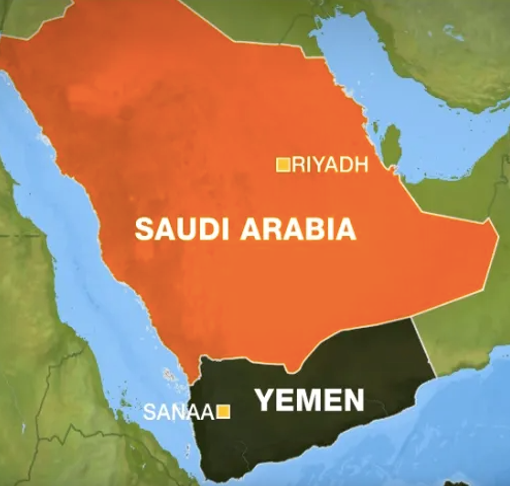
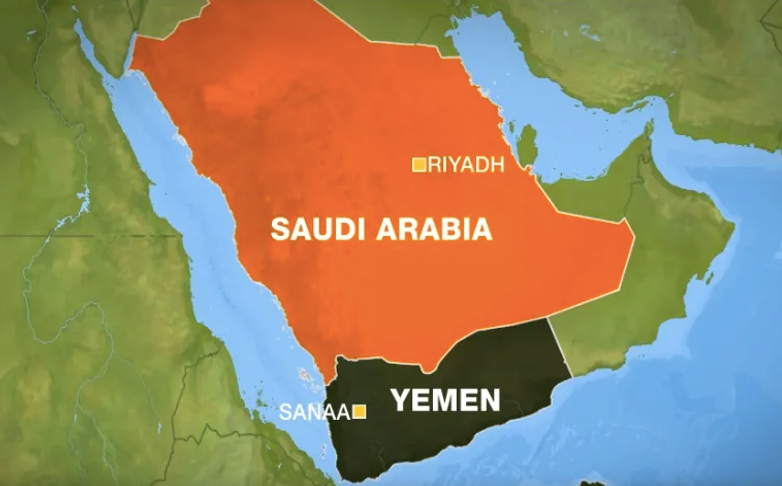
Amid fears of a wider regional confrontation, the US State Department recently ordered non-essential government employees to leave Saudi Arabia. Iran has also threatened to target Saudi oil refineries, which could impact global energy prices.
According to the report, the United States is preparing to complete a large-scale military deployment by early November, including aircraft carriers and thousands of troops, while uncertainty persists regarding Washington’s final decision on resuming strikes.The Iranian capital, Tehran, is hosting a meeting today between officials from the countries of the Mecca Joint Defense Agreement and Iranian officials to discuss efforts to de-escalate tensions in the region.