
What NSBRRI M&E Team assess?
More than two months ago, the NSBRRI Monitoring and Evaluation Team assessed that the separatist elements are targeting N-40 by design to disrupt communication between Iran and Pakistan. On 2nd July 2026, the following assessment was made by our team.
“This concentration of terror activities on and around N-40 shows that the terrorists are trying to destabilise the region connecting Pakistan to Iran. There is another aspect to it, as the activities recorded are close to Chagai. Besides the Chinese presence, Chagai has a historic background. Pakistan carried out its nuclear test right here. It indicates their strategic preparation for a major attack so that the forces would take time and more resources to have a backup to counter the attack, and the terrorists inflict maximum damage. In June, convoys of supplies to security forces often came under attack. Therefore, we foresee sever increase in attacks in July in the Balochistan region.” Here is the link to the complete report.
https://obor.chuhai.edu.hk/nsbrri-monitoring-and-evaluation-june-2026/
What is the current situation at the Iran-Pakistan border?
Hundreds of vehicles transporting LNG and other commercial cargo remain stranded at the Taftan border crossing, with drivers protesting multi-week delays pending security clearance. Persistent militant attacks along the N-40 highway linking Iran and Pakistan have compelled authorities to organise protected security convoys for these movements. Despite the imposition of stringent protective measures, separatist militants have continued to successfully target both individual vehicles and the escorted convoys, underscoring ongoing vulnerabilities in the corridor’s security posture.
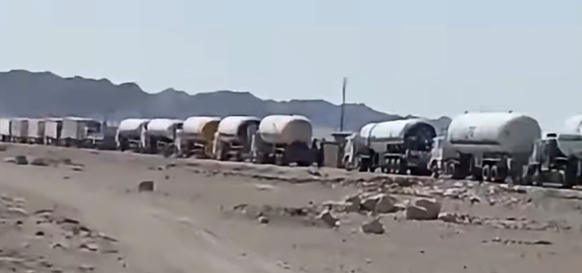
Photo Social Media: Hundreds of vehicles stranded at Pak-Iran border
How much has the situation damaged Pak-Iran trade through N-40?
While talking to Arab News, Hajji Shoukat Essazai, a major LPG importer and clearing agent in Taftan who operates LPG plants in Taftan, Lahore, Sargodha, Rawalpindi and Peshawar, said his business had declined by more than 90 per cent over the past three months.
Significant disruption, particularly for LPG and freight on the Quetta-Taftan (N-40) route, with individual operators reporting drops of over 90% in recent months of 2026, alongside hundreds of stranded vehicles, truck burnings, strikes, and reliance on security convoys.
The Taftan crossing (Pakistan’s main formal land border point with Iran in Chagai district, Balochistan, linking to Mirjaveh/Zahedan) and the connecting Quetta-Taftan Highway have faced repeated interruptions from Balochistan’s security problems. These stem mainly from attacks by separatist groups (notably the Baloch Liberation Army/BLA), which have targeted freight trucks, oil/LPG tankers, and mineral cargo as part of an “economic blockade.” Other factors include trader/transporter strikes over insecurity and occasional border restrictions tied to regional tensions.
Key quantified or concrete impacts reported in 2026 include:
• LPG trade (a major component of Taftan-related flows): A major Taftan-based LPG importer reported his business down more than 90% over roughly three months (around mid-2026). He previously moved about 50 bowsers (every 50 tons) from Taftan to other provinces; this fell to barely 15 bowsers per week. Earlier (around the start of Iran-related regional conflict in early 2026), crossings dropped from 100–150 bowsers to 15–25. Pakistan relies heavily on Iranian LPG (over 60% of its supply in some assessments).
• Vehicle attacks and stranded cargo: Government data cited 107 freight trucks set on fire on Balochistan provincial highways since January 2026 (majority on N-25 and N-40 in recent months). The NSBRRI M&E team noted 28 cargo trucks burned in two weeks, around 40 LPG tankers attacked/set on fire near Nushki, and more than 90 vehicles destroyed in recent attacks in some accounts. Hundreds of LPG bowsers (reports of 400 at one point) were stranded in Taftan awaiting safer movement; authorities arranged Pakistan Army/Frontier Corps security escorts/convoys from Taftan toward Quetta and beyond. Estimated losses from affected tankers reached around Rs 2 billion in one Senate special committee briefing (single tanker value Rs 50 million).
• Broader trade and operations: Traders at Taftan-Zahedan went on strike over deteriorating security (noted in June 2026 alongside other border strains). Transporters threatened or enacted halts/suspensions on the Quetta-Taftan route, with mineral loading stopped at times and daily truck arrivals into Balochistan (previously 300 loaded trucks from Punjab/Sindh) severely disrupted. Overall bilateral trade (estimated at $2.8 billion in one reference) depends heavily on these routes for fruits, vegetables, rice, oil/gas products, etc. Authorities responded with plans for a dedicated highway protection force (Rs 25 billion, partly from development budgets), interim convoy systems, and insurance discussions.
Our Assessment
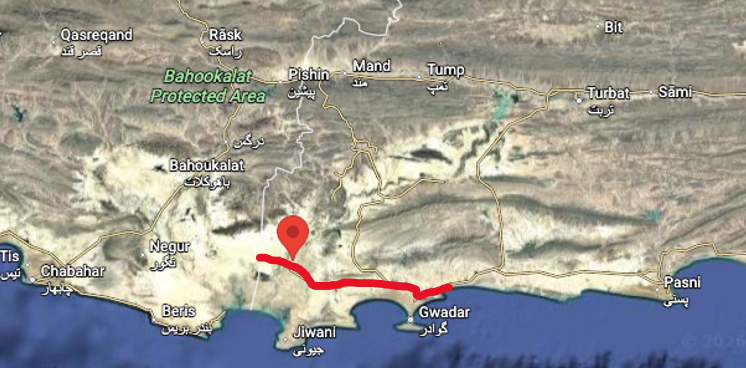
Google Map: The red line shows N-10, strategically very important for the region, including Gwadar and the Pak-Iran border at Gabd
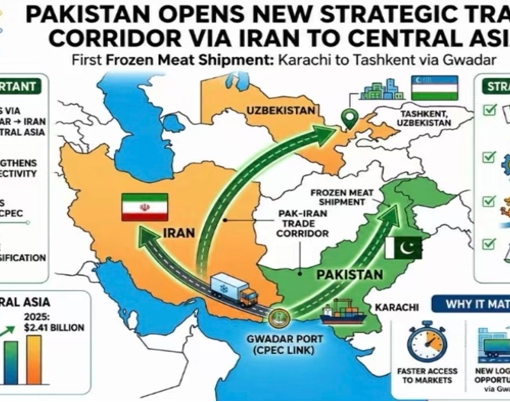
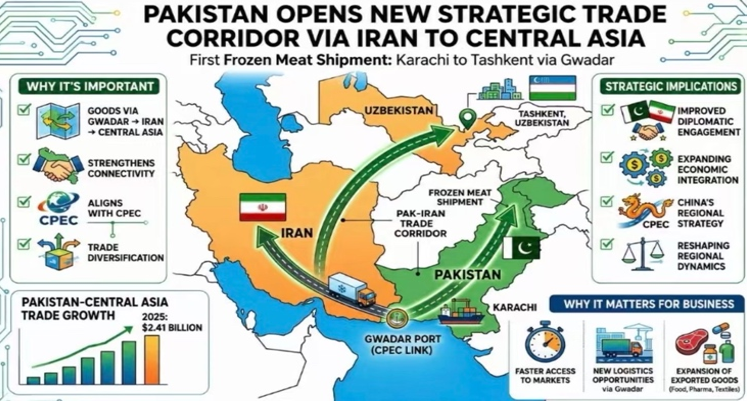
The NSBRRI M&E team assesses that the trajectory of these militant activities will hinge primarily on the scale of economic damage achieved. Should the current approach succeed in imposing high financial costs on Pakistan—particularly in Punjab province—the Baloch Liberation Army and affiliated groups are likely to sustain and replicate the tactic. Expansion to additional border crossings is anticipated, with Gabd (Rimdan) identified as a probable next target along the coastal highway; such action would disrupt the N-10 corridor to Gwadar and the Pak-Iran border, and elevate the risk of sustained militant interference. Beyond immediate tactical effects, these operations serve a broader strategic objective: degrading Pakistan’s overland trade routes to Central Asian states via Iran, thereby circumventing Afghanistan and undermining regional commercial connectivity.