
 Courtesy: Al Jazeera
What is happening inside Iran’s Sistan-Baluchistan Province?
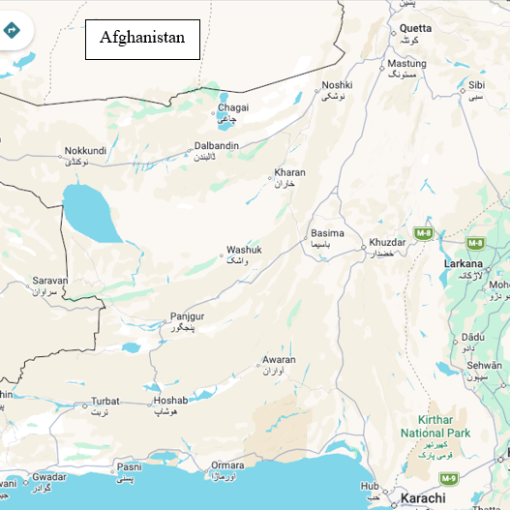
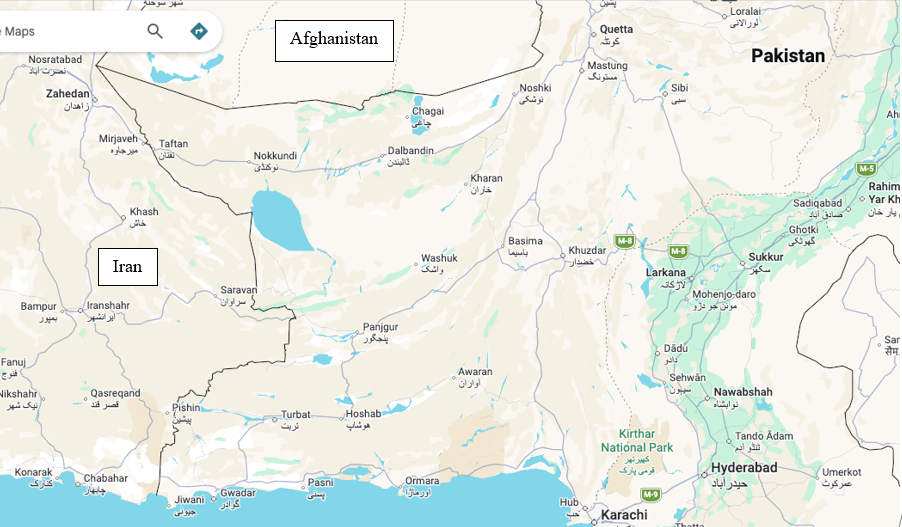
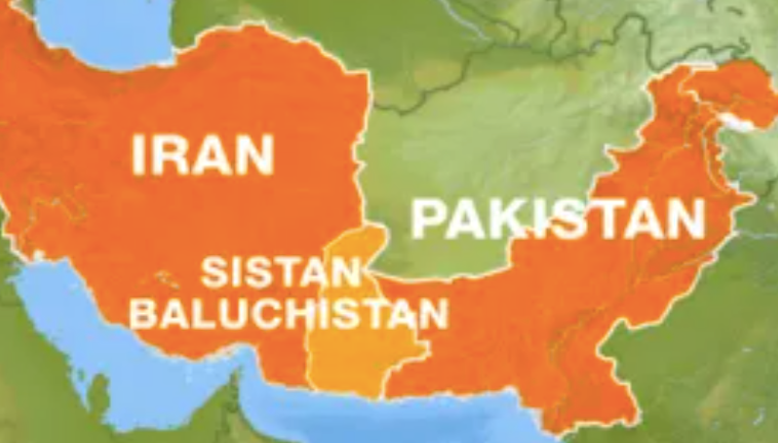
While Pakistani security forces continue to confront a complex insurgency in Balochistan, a parallel and intensifying wave of militant violence has emerged across the border in Iran’s Sistan-Baluchistan province. September 2026 proved particularly challenging for Iranian security forces. In the Jihadabad/Saravan area, Brigadier General Hossein Zarifi and Major Ahmad Herati Zeraati of the Islamic Revolutionary Guard Corps (IRGC) were killed in clashes with militants. The NSBRRI team documented at least eleven attacks during the month, resulting in the deaths of multiple Iranian security personnel.
Between 1 and 8 October 2026, at least five further terrorist attacks were recorded, claiming the lives of several security personnel. Iranian authorities have simultaneously claimed the elimination of several militants in counter-operations. Opposition groups, notably the People’s Fighters Front (known locally as JMM – Jabhe-ye Mobarezin-e Mardomi), have alleged that fighters from the Zainabiyoun and Fatemiyoun Brigades have been deployed to the province to reinforce Iranian forces. Tehran, for its part, characterises the People’s Fighters Front as a foreign-backed proxy deliberately seeking to destabilise the Sistan-Baluchistan region.
What are the Fatemiyoun Brigade and the Zainabiyoun Brigade?
The Fatemiyoun Brigade (Liwa Fatemiyoun / Fatemiyoun Division) is an Iranian-backed Shia militia composed predominantly of Afghan (primarily Hazara) fighters, many of whom were recruited from refugee and migrant communities residing in Iran. Established between 2013 and 2014 under the direction of the IRGC’s Quds Force, the brigade was deployed to Syria to support the Assad regime. Its stated mandate was the defence of Shia holy sites—particularly the shrine of Sayyida Zaynab near Damascus—and the combat of “takfiri” groups such as the Islamic State. Fully trained, funded, armed, and commanded by the IRGC, the brigade reached peak strength estimates ranging from several thousand to between 10,000 and 20,000 fighters. The United States designated it a terrorist organisation in 2019.
The Zainabiyoun Brigade (Liwa Zainabiyoun / Zainebiyoun) is a parallel Iranian-backed Shia militia composed primarily of Pakistani Shia fighters, recruited largely from Pakistani communities in Iran or from Shia-majority areas within Pakistan such as Parachinar. Also formed by the IRGC-Quds Force around 2013–2014 for the same operational purposes in Syria, it has operated under direct Iranian command and control. Smaller in scale than the Fatemiyoun, its peak strength is generally estimated in the low thousands. Pakistan designated the group a terrorist organisation in 2024, while the United States had already sanctioned it in 2019.
Both formations form part of Iran’s broader network of foreign Shia proxy forces, often referred to as the “Axis of Resistance.” Following the collapse of the Assad regime, many of these fighters returned to Iran or were redeployed to other theatres. Credible reports now link elements of both brigades to security operations inside Iran’s Sistan-Baluchistan province.
Are fighters from the Zainabiyoun Brigade and Fatemiyoun Brigade present in Sistan-Baluchistan?
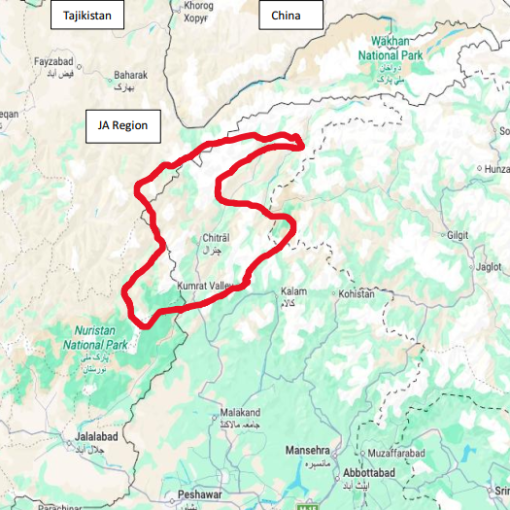
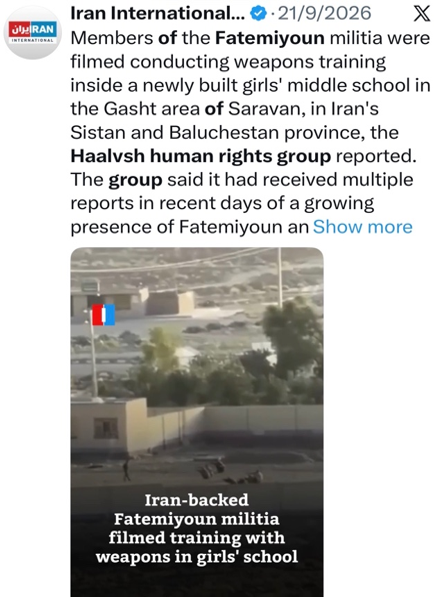
On 21 September 2026, Iran International published a video on its officially verified X account, citing the Baloch human rights organisation Haalvsh, which showed members of the Fatemiyoun militia conducting weapons training inside a newly constructed girls’ middle school in the Gasht area of Saravan, Sistan-Baluchistan province. Haalvsh further reported multiple accounts of a growing presence of both Fatemiyoun and Zainabiyoun forces—explicitly identified as IRGC-backed militias—across the province. To date, Iranian authorities have not issued an official denial of these reports.
Will the conflict in Sistan-Baluchistan have a regional impact?
Current assessments indicate that the insurgency in Sistan-Baluchistan remains relatively low-intensity when compared with the more entrenched violence in Pakistan’s Balochistan province. Local sources speaking to NSBRRI have confirmed the arrival of Afghan and Pakistani fighters in the province, stating that their deployment coincided with the onset of direct US-Iran hostilities. At present, these foreign fighters appear to play a limited operational role.
However, should broader Middle Eastern conflicts—particularly any significant escalation of the Saudi-Houthi confrontation—intensify, the possibility of a more active and expanded role for these proxy forces cannot be discounted.
Assessment
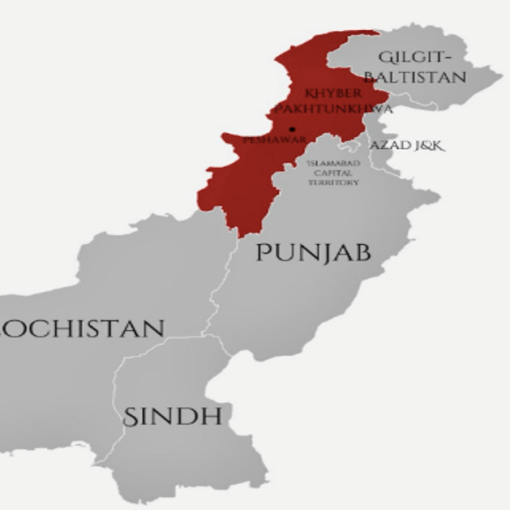
Should Pakistan become fully engaged in a military campaign against Houthi forces in support of Saudi Arabia, the risk of sectarian spillover across the region would rise substantially. Sunni-Shia tensions within the Islamic world have a long and violent history, and Pakistan itself has endured repeated cycles of sectarian conflict. In such a scenario, areas with significant Shia populations situated amidst strongly Sunni-majority surroundings—particularly Balochistan, Kurram, and Gilgit-Baltistan—would become especially vulnerable to renewed communal violence.